Funding Options for First Nations Students Looking for Skill-Based Training
Finding the right funding for skills training can make the difference between staying unemployed and launching a rewarding career. For First Nations students in Manitoba, multiple funding...
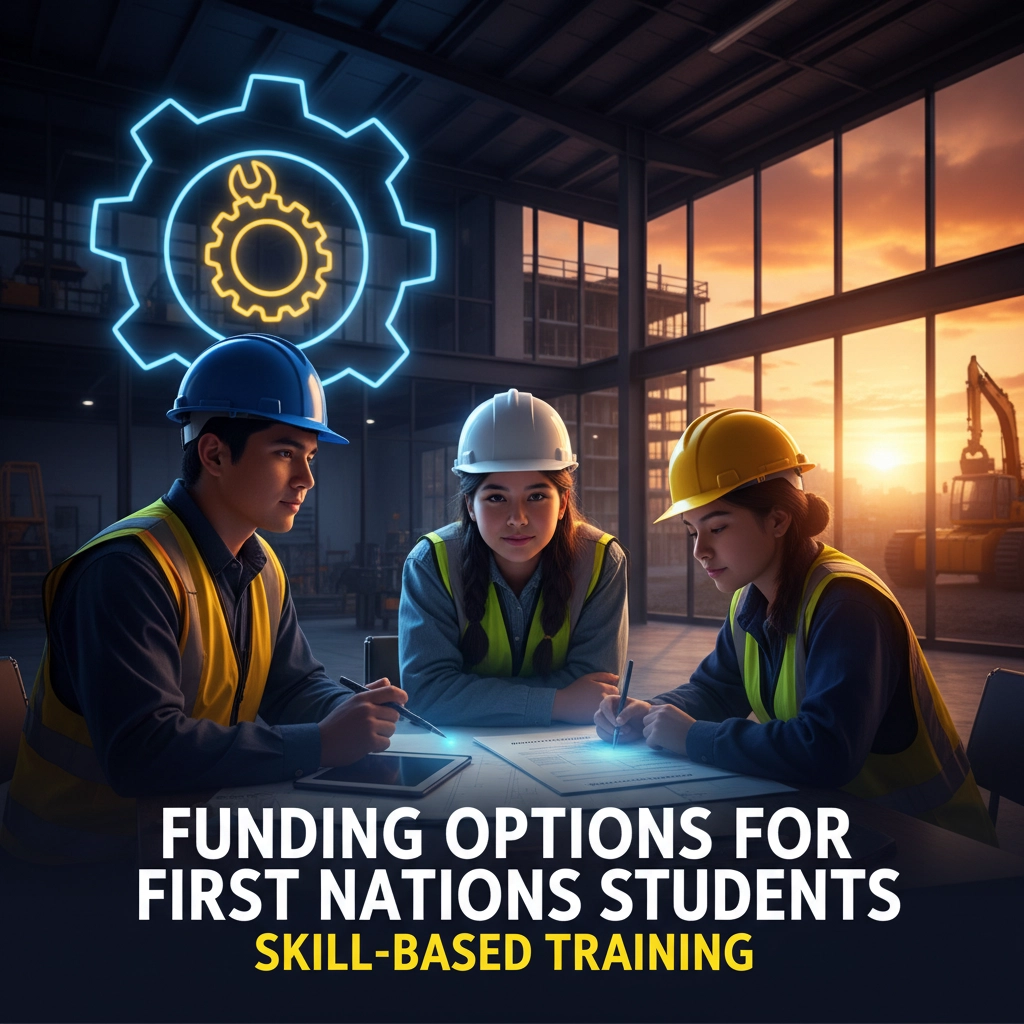
Finding the right funding for skills training can make the difference between staying unemployed and launching a rewarding career. For First Nations students in Manitoba, multiple funding streams exist specifically to support your journey toward employment-ready certifications like heavy equipment operation, forklift certification, skid steer training, and logistics training.
Understanding your options and knowing how to access them properly can unlock opportunities that lead to immediate employment and long-term career growth. Here's your comprehensive guide to funding sources, application processes, and proven strategies for success.
Last updated on October 1, 2026
What's new in this update
- Added a new Manitoba example of ISET-supported certification and employment pathways through Water First Education & Training Inc.’s 15-month Drinking Water Internship delivered with First Peoples Development Inc. (FPDI), which provides Indigenous adults with about 2,000 hours of on-the-job experience and pathways toward provincial operator certifications.
- Added a brief update on Manitoba’s September 2026 $146,000 investment in American Sign Language training for Indigenous women through the Mino'Ayaawag Ikwewag strategy as further evidence that targeted training funding streams continue to open.
- Added a short note on Manitoba’s September 2026 mining and critical minerals growth and the related First Nations training gap, showing why funded operator training is especially valuable right now for community employment planning.
- Confirmed that Manitoba’s menstrual products workplace requirement is now in force as of September 1, 2026, under M.R. 19/2026.
Indigenous Skills and Employment Training (ISET) Program
The ISET program represents the largest federal funding source for Indigenous skills training in Canada. This comprehensive initiative provides funding to Indigenous service delivery organizations across Manitoba to deliver job training services directly to community members.
In May 2026, MKO (Manitoba Keewatinowi Okimakanak) reported that it is utilizing deferred revenue to develop and implement training projects that address workforce gaps across participating nations. In 2026, MKO also now has 12 Sub Agreements with participating nations, helping deliver more tailored local training based on each community's real workforce needs.
This matters because it gives communities more room to shape training around local priorities, local jobs, and local readiness. For learners, that can mean stronger support and training plans that make more sense close to home.
A strong Manitoba example is Water First Education & Training Inc.’s Drinking Water Internship Program, delivered in Manitoba with First Peoples Development Inc. (FPDI) support and backed through Indigenous Services Canada and ISET-related funding pathways. A new 15-month intake launched on October 5, 2026, creating a concrete route from funded training into certification and employment. The program gives Indigenous adults about 2,000 hours of on-the-job experience and a pathway toward provincial certifications in small drinking water, small wastewater, and Class 1 water treatment operator. Participating communities include Birdtail Sioux, Ebb & Flow, Keeseekoowenin Ojibway, Plain, Rolling River, Roseau River, Swan Lake, and Waywayseecappo First Nations.
This is exactly the kind of model many communities are looking for: funding support, real work experience, recognized certification, and direct community benefit.
What ISET Covers:
- Full tuition costs for certified training programs
- Living expenses during training periods
- Transportation to and from training locations
- Childcare support for parents
- Essential supplies and equipment
- Work experience placements
- Mentoring services
ISET funding typically covers programs up to two years in duration, making it perfect for intensive skills training like our Workforce Ready program. The program prioritizes training that leads directly to employment, which aligns perfectly with employer-focused certifications in heavy equipment and logistics.
How to Apply: Contact your local Indigenous service delivery organization. In Manitoba, this includes tribal councils, friendship centers, and Métis organizations. Each has specific catchment areas and application processes.

First Nations and Inuit Skills Link Program
Specifically designed for Indigenous youth aged 15-30, the Skills Link program focuses on essential employability skills and career exploration. This federal program offers unique advantages for students entering the workforce.
Program Benefits:
- Wage subsidies for mentored work placements
- Support for co-operative education opportunities
- School-based work and study programs
- Minimum wage guarantee during placements
- Maximum 11-month placement duration
For First Nations youth ordinarily resident on reserve or in recognized communities, this program provides an excellent pathway to gain work experience while completing skills training. The mentored work component often leads directly to permanent employment offers.
Job Skills Development Corp (JSDC) and Provincial Programs
Manitoba's provincial funding landscape includes several programs specifically supporting Indigenous training initiatives. The Job Skills Development Corp works closely with First Nations communities to identify training needs and coordinate funding solutions.
Provincial Support Includes:
- Direct funding for skills certification programs
- Partnership funding for community-based training
- Equipment and facility support for on-reserve training
- Coordination with federal programs to maximize benefits
Many bands have established partnerships with JSDC to bring training directly to their communities, reducing transportation barriers and increasing completion rates.
Employment Assistance Programs Through Bands
Most Manitoba First Nations operate their own employment assistance programs, funded through various federal transfers and band resources. These programs offer the most flexible and culturally appropriate support for community members.
Common Band-Level Support:
- Emergency funding for immediate training needs
- Top-up funding when other programs fall short
- Community-specific training initiatives
- Elder and cultural support during training
- Post-training job placement assistance
The key advantage of band-level funding is speed and flexibility. While federal programs can take weeks to process, band programs often provide decisions within days.
New 2026 Training and Literacy Support in Manitoba
There are also important new developments in 2026 that make this an even better time to apply for training support.
ADaPT Manitoba Program
The new 2026 ADaPT Manitoba program offers free digital and professional skills training for eligible participants. It also includes wage subsidies of up to $5,000 for placements, which can help bridge the gap between training and real work experience.
For First Nations learners, this creates another useful pathway to build job-ready skills before or alongside equipment operator training. Digital communication, workplace readiness, and professional skills can strengthen outcomes for students moving into hands-on roles that may also require forklift certification or skid steer training.
Building Up Manitoba Program (BUMP)
Another important 2026 update is the newly launched Building Up Manitoba Program (BUMP), announced by the governments of Canada and Manitoba on May 25, 2026.
This program includes a $4 million fund to support small and medium-sized enterprises in Manitoba with fewer than 500 employees. While this is not a direct student funding stream, it can create more training opportunities when communities, local employers, and partners are planning workforce development together.
Key details include:
- Up to $100,000 per eligible business
- An employee training stream with up to $10,000 per employee
- Support for upskilling and reskilling
- Support that can also help laid-off or underemployed individuals
- A human resources strategy development stream with up to $25,000
For communities building local workforce plans, this kind of funding can support stronger partnerships around training, retention, and longer-term employment pathways.
Additional Adult Learning and Literacy Investment
Manitoba is also investing an additional $1 million specifically for First Nations and Northern communities' adult learning and literacy. This matters because stronger literacy, document use, and workplace communication skills often make it easier to complete training applications, pass written components, and succeed in certification programs.
Just as important, Manitoba has also proposed legislative changes through Bill 35, The Adult Learning Centres Amendment Act, to allow First Nations band councils to operate stand-alone Adult Learning Centres instead of being locked into a mandatory three-year partnership model. This is an important step toward education self-determination and gives communities more flexibility to build learning systems that reflect their own goals.
Manitoba also announced a $146,000 investment on September 22-24, 2026, to expand American Sign Language training for Indigenous women through the Mino'Ayaawag Ikwewag strategy. That includes $18,000 for on-reserve ASL micro-credentials and $128,000 for seats in RRC Polytech's ASL-English Interpretation program. While this is not equipment training, it is useful evidence that new, targeted training funding streams continue to open and that communities should keep watching for specialized opportunities that fit local needs.
Together, these updates show that 2026 funding support is not just about tuition. It is also about helping learners build the full range of skills needed to move into steady, higher-paying work while strengthening community control over education and training pathways.
Why Workforce Ready Fits These Funding Streams
Our Workforce Ready program, valued at $8,900 per attendee, is a high-earning pathway that aligns well with these funding streams. It is built to help participants move toward practical certifications and employment-focused outcomes, making it a strong fit for organizations looking to invest in training that leads to real opportunities.
When funding partners are looking for programs that support employability, local capacity, and long-term earnings, Workforce Ready is a practical option that matches those goals.
As of September 2026, this matters even more. Manitoba's mining and critical minerals push is creating more demand for trained operators, while community training capacity is still catching up. September 2026 reporting in the Winnipeg Free Press highlighted both mining growth and the First Nations training gap. For First Nations employment departments, that makes funded equipment operator training more valuable right now because it helps communities prepare people sooner for upcoming opportunities instead of waiting for demand to pass by.

How to Request Funding: A Step-by-Step Process
Success in securing training funding requires proper documentation and understanding of each program's requirements. Here's the proven process that consistently works:
Step 1: Gather Required Documentation
- Status card or membership verification
- Social Insurance Number
- Birth certificate
- Proof of residence
- Education transcripts (if available)
- Employment history
- Training program details and costs
Step 2: Create Your Training Plan
- Identify specific certification goals
- Research employment opportunities in your area
- Calculate total program costs including living expenses
- Set realistic completion timelines
- Plan for post-training job search activities
Step 3: Submit Applications Strategically
- Start with your band's employment department
- Apply to ISET through your regional organization
- Consider Skills Link if you're under 30
- Submit applications simultaneously to maximize options
- Follow up within two weeks of submission
Documentation Templates
Most successful funding applications include these key elements:
- Career Objective Statement: A clear, one-page description of your employment goals and how the training supports them
- Financial Needs Assessment: Detailed breakdown of training costs, living expenses, and current financial situation
- Employment Plan: Specific steps you'll take to find work after completing training
- Community Benefit Statement: How your new skills will benefit your home community
Success Stories: Real Results from Proper Funding
Sarah's Story: Sarah, a single mother from a northern Manitoba First Nation, secured full ISET funding for heavy equipment training. The program covered her tuition, childcare, and living expenses for two weeks. Within one month of certification, she found employment with a construction company at $28 per hour. The investment in proper documentation and application preparation resulted in a career change that tripled her income.
Michael's Journey: Michael used Skills Link funding to complete forklift certification while gaining mentored work experience at a local warehouse. The combination of training and work experience led to a permanent position before his training was even complete. The mentored placement provided real workplace context that made him immediately valuable to employers.
Community Impact: One Manitoba First Nation coordinated group training for eight community members using combined ISET and band funding. All eight participants found employment within six weeks of certification. The coordinated approach reduced individual costs and created a support network that improved completion rates.

Maximizing Your Funding Success
Documentation Matters: Applications with complete, professional documentation have success rates above 85%. Incomplete applications face delays and often require resubmission, costing valuable time.
Multiple Applications: Students who apply to multiple funding sources simultaneously increase their chances of approval and often secure additional support for living expenses.
Community Coordination: Working with your band's employment department from the start provides local support and often unlocks additional resources not available to individual applicants.
Training Provider Relationships: Choose training providers who understand Indigenous funding programs and can provide proper documentation for your applications. Workforce Ready should be able to provide the detailed receipts and completion certificates required for successful funding applications.
Timing Your Applications
Best Application Periods:
- April-May: New fiscal year funding becomes available
- September-October: Second intake periods for most programs
- January: Emergency funding often available for immediate needs
Avoid These Periods:
- December: Most programs suspended for year-end
- July-August: Reduced staffing affects processing times
- March: Year-end funding often exhausted
Getting Started Today
The most successful funding applications begin with proper preparation and professional guidance. Start by contacting your band's employment department to understand local options and support available.
For training that leads directly to employment, consider programs that offer multiple certifications, hands-on experience, and employer connections. The investment in quality training pays dividends through faster job placement and higher starting wages. Programs that include equipment operator skills such as forklift certification and skid steer training can be especially valuable when paired with funding streams focused on workforce readiness.
Your path to skilled employment starts with taking action today. The funding exists, the training opportunities are available, and employers are actively seeking certified operators. The question isn't whether you can afford training – it's whether you can afford to wait any longer.
Ready to explore your funding options? Contact your local Indigenous service delivery organization this week to begin your application process. Your future career in heavy equipment operation, logistics, or other skilled trades is closer than you think.
Contact Workforce Ready to plan equipment operator training for your community.
More guides

Need your operators certified?
We bring the training to your site, on your own equipment. Tell us the machines and how many operators and we reply the same business day.