How Workforce Ready Helps Bands and Tribal Councils Improve Employment Outcomes
How Workforce Ready helps bands and tribal councils improve employment: job-ready training in 2-3 weeks, no diploma or licence needed, and funding support.
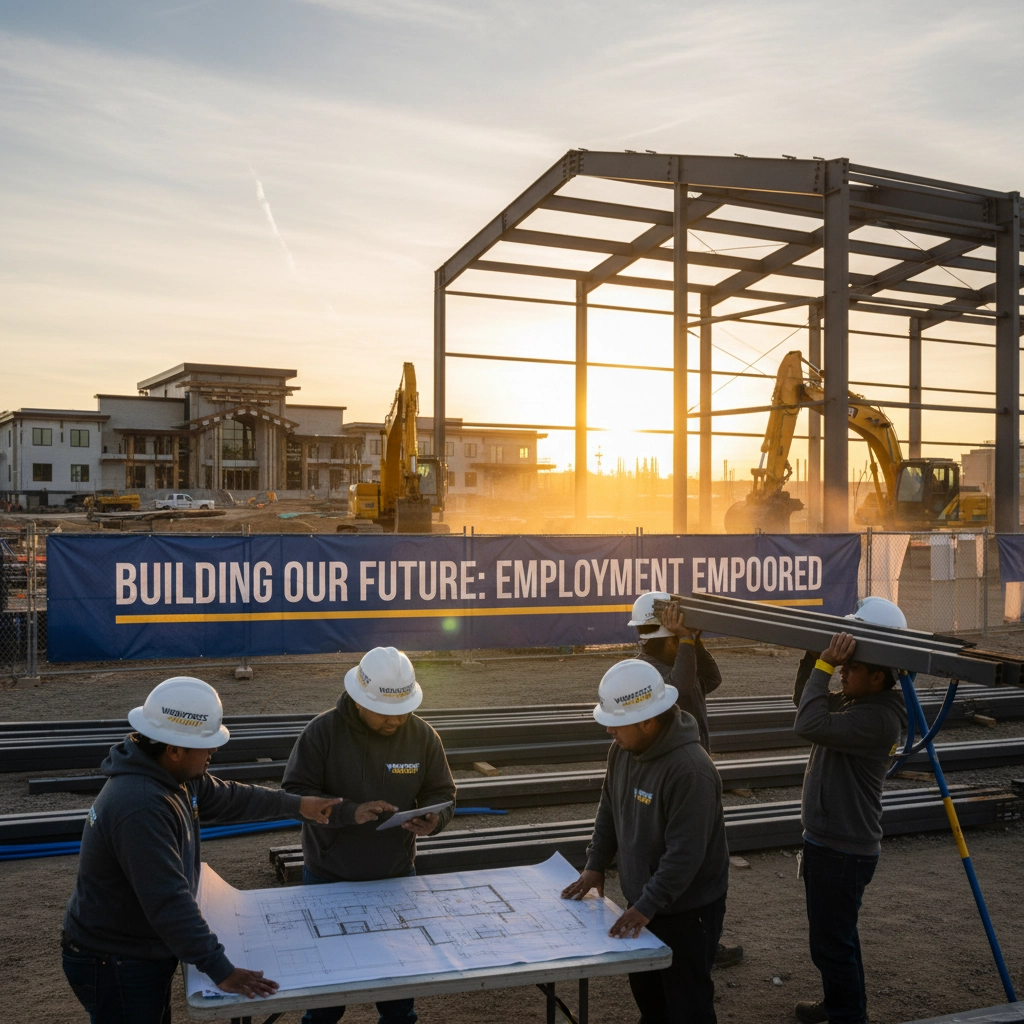
First Nations communities across Manitoba face unique employment challenges that require targeted, culturally-aware solutions. Traditional training programs often fall short, creating barriers rather than opportunities for community members seeking meaningful career paths. The Workforce Ready program addresses these challenges head-on, delivering practical, industry-recognized training that transforms lives and strengthens entire communities.
Last updated on October 1, 2026
What's new in this update
- Funding information has been refreshed to reflect the current ISET delivery model in Manitoba, including the role of Indigenous service delivery organizations, tribal councils, and First Peoples Development Inc. (FPDI).
- Manitoba regulatory changes have been added, including M.R. 26/2026 and its April 1, 2027 in-force date.
- Current lift truck training standards have been updated to reflect CSA B335:25.
- New labour market context has been added based on September 2026 reporting on mining and critical minerals demand in Manitoba.
The Employment Reality for First Nations Communities
Employment statistics paint a sobering picture for many First Nations communities. Limited access to training, geographic isolation, and systemic barriers have created cycles of unemployment that affect entire families and communities. Traditional approaches haven't worked because they weren't designed with First Nations realities in mind.
What makes the difference? Training programs that understand the unique needs of First Nations job seekers and provide pathways that actually lead to employment. Workforce Ready was developed specifically to bridge this gap, offering comprehensive industrial training that opens doors to high-paying careers in Manitoba's thriving industrial sector.

Understanding the Workforce Ready Difference
Unlike generic training programs, Workforce Ready recognizes that effective workforce development for First Nations communities requires a different approach. The program eliminates traditional barriers by not requiring high school completion or driver's licenses – requirements that often exclude capable individuals from valuable training opportunities.
The program focuses on high-demand skills that employers actively seek. Heavy equipment operation, forklift certification, and logistics training provide direct pathways to stable, well-paying jobs. These aren't just certificates – they're career foundations that can transform economic outcomes for individuals and families.
Rapid Results That Matter
One of Workforce Ready's most significant advantages is its efficiency. Traditional training programs can take months or even years to complete. Workforce Ready delivers job-ready skills in just 2-3 weeks. This rapid turnaround means community members can quickly transition from unemployment to meaningful careers without extended periods away from family and community.
This timeline isn't arbitrary – it's based on what employers need and what participants can realistically commit to. The concentrated format maintains engagement while delivering comprehensive training that meets industry standards.
Direct Impact on Employment Outcomes
The numbers speak for themselves. Workforce Ready graduates consistently achieve higher employment rates compared to other training programs. But statistics only tell part of the story. The real impact is seen in the lives transformed and communities strengthened.
Graduates typically enter the workforce earning between $18-25 per hour, with opportunities for advancement as they gain experience. These starting wages represent significant improvements over minimum wage positions and provide the foundation for economic stability.

Industry Recognition and Employer Confidence
Employers across Manitoba have come to recognize and trust Workforce Ready graduates. This reputation wasn't built overnight – it's the result of consistent quality training that produces operators who understand safety, demonstrate competence, and show up ready to work.
That confidence matters even more now because training expectations continue to rise. CSA B335:25, released in May 2025, replaced CSA B335-15 as the recognized baseline for lift truck operator training. It recognizes online learning and virtual reality simulation as part of instruction and evaluation, while also expecting trainers to refresh their qualifications every three years. For communities and employers, that means recognized training is not just about getting a certificate. It is about meeting a current, credible standard that supports safe performance on the job.
The program's emphasis on proper safety protocols and regulatory compliance gives employers confidence that graduates will contribute to workplace safety rather than create liabilities. This reputation creates a positive feedback loop, with more employers specifically requesting Workforce Ready graduates.
Strategic Benefits for Bands and Tribal Councils
For leadership making decisions about community workforce development, Workforce Ready offers several strategic advantages that extend beyond individual employment outcomes.
Maximizing Training Investments
Training budgets are precious resources that must deliver measurable results. Workforce Ready's proven track record means leadership can invest with confidence, knowing that training dollars will translate into real employment outcomes. The program's high success rate maximizes the return on training investments.
Building Internal Capacity
When community members gain valuable skills, they can contribute to band-owned businesses and community projects. Instead of hiring outside contractors, communities can develop their own skilled workforce for construction projects, maintenance work, and economic development initiatives.
This internal capacity building has long-term benefits that extend far beyond individual employment. It creates opportunities for mentorship, knowledge transfer, and the development of community-based expertise.

Supporting Economic Development Goals
Employment and economic development go hand in hand. Communities with skilled, employed residents are better positioned to pursue economic development opportunities. Workforce Ready graduates often become the foundation for new business ventures and expanded economic activity.
This is especially important in Manitoba right now. In September 2026, Winnipeg Free Press reporting highlighted that Manitoba is pushing to grow mineral production while First Nations training capacity is still lagging behind demand in some areas. That gap increases the value of employer-ready operators who can step into real work quickly and safely. For communities planning around future mining, infrastructure, and critical minerals activity, practical training capacity is a strategic advantage.
Navigating Funding Opportunities
Understanding and accessing training funding can be complex, but it's essential for maximizing opportunities. Workforce Ready works with bands and tribal councils to navigate available funding streams effectively.
Common Funding Sources
The current funding landscape is centered mainly around the federal Indigenous Skills and Employment Training program, commonly known as ISET. In Manitoba, ISET support is delivered through Indigenous service delivery organizations, tribal councils, and organizations such as First Peoples Development Inc. (FPDI). These organizations help connect participants and communities to training that leads to real employment opportunities.
Indigenous Services Canada also plays an important support role, but its role should be described accurately. ISC is more directly involved in community infrastructure, capacity building, and employment-related supports tied to specific program areas, rather than serving as the main general training stream for operator employment programs. In practical terms, communities often work through ISET-funded delivery partners for employment and skills training, while ISC may support related priorities in areas such as water systems, infrastructure capacity, and community development.
A strong current example of this model is the new 15-month Drinking Water Internship delivered with First Peoples Development Inc. and supported through ISET as of September 2026. It shows how funded training is moving toward recognized certification and direct employment outcomes, not just short-term course participation.
Workforce Ready provides the documentation and support needed to access these funding opportunities successfully. This includes proper needs assessments, training plans, and progress reporting that funding agencies require.
Documentation That Gets Results
Successful funding applications require more than just filling out forms. They need to demonstrate clear connections between training and employment outcomes. Workforce Ready's track record provides the evidence that funding agencies want to see.
The program maintains detailed employment statistics and can provide case studies that demonstrate successful outcomes. This documentation strengthens funding applications and increases approval rates.
Real-World Success Stories
The true measure of any training program is the success of its graduates. Workforce Ready has produced numerous success stories that demonstrate the program's effectiveness.
Those success stories also matter in a changing regulatory environment. Manitoba Regulation M.R. 26/2026 was registered on March 20, 2026 and comes into force on April 1, 2027. It removes the construction site safety exemption for commercial, industrial, or institutional construction and renovation sites with more than 25 workers on site at any one time, or for buildings over 600 m2 or more than three storeys. It also adds prime contractor duties under section 4.7. For First Nations communities preparing members for construction and infrastructure work, this means properly trained operators will be even more important on larger and more complex sites.
One graduate from a northern Manitoba community completed the heavy equipment program and immediately found employment with a major construction company. Within six months, he was promoted to crew leader, earning over $30 per hour. His success opened doors for other community members, creating a pipeline of opportunities.
Another success story involves a single mother who completed the logistics training program. She secured employment with a major retailer, providing stable income and benefits that transformed her family's circumstances. Her success inspired other community members to pursue training, creating a positive cycle of achievement.

The Ripple Effect of Success
Individual employment success creates ripple effects throughout communities. When community members secure good-paying jobs, they spend money locally, support local businesses, and contribute to community economic health. Children see positive role models and develop aspirations for their own futures.
These ripple effects compound over time, gradually transforming community economic conditions. What starts as individual training becomes community transformation.
Building Long-Term Partnerships
Workforce Ready isn't just about delivering training – it's about building lasting partnerships with First Nations communities. These partnerships recognize that workforce development is an ongoing process that requires sustained commitment and support.
Successful partnerships involve regular communication, feedback, and adaptation. As community needs evolve and industry requirements change, the program adapts to maintain its effectiveness. This flexibility ensures that training remains relevant and valuable over time.
Ongoing Support and Advancement
The relationship doesn't end when participants receive their certificates. Workforce Ready maintains connections with graduates, providing ongoing support and advancement opportunities. This continued relationship helps ensure long-term career success and creates pathways for additional training and skill development.
Moving Forward Together
For bands and tribal councils serious about improving employment outcomes for their communities, Workforce Ready offers a proven pathway to success. The combination of practical training, industry recognition, and community-focused approach creates opportunities for meaningful change.
The program's track record demonstrates that with the right approach, First Nations communities can achieve outstanding employment outcomes. The key is choosing training that understands community needs and delivers results that matter.
Ready to explore how Workforce Ready can transform employment outcomes in your community? The conversation starts with understanding your specific needs and goals. From there, we can develop a training plan that delivers the results your community deserves.
The path to improved employment outcomes is clear. The question isn't whether change is possible – it's how quickly you want to begin creating opportunities for your community members.
More guides
Need your operators certified?
We bring the training to your site, on your own equipment. Tell us the machines and how many operators and we reply the same business day.