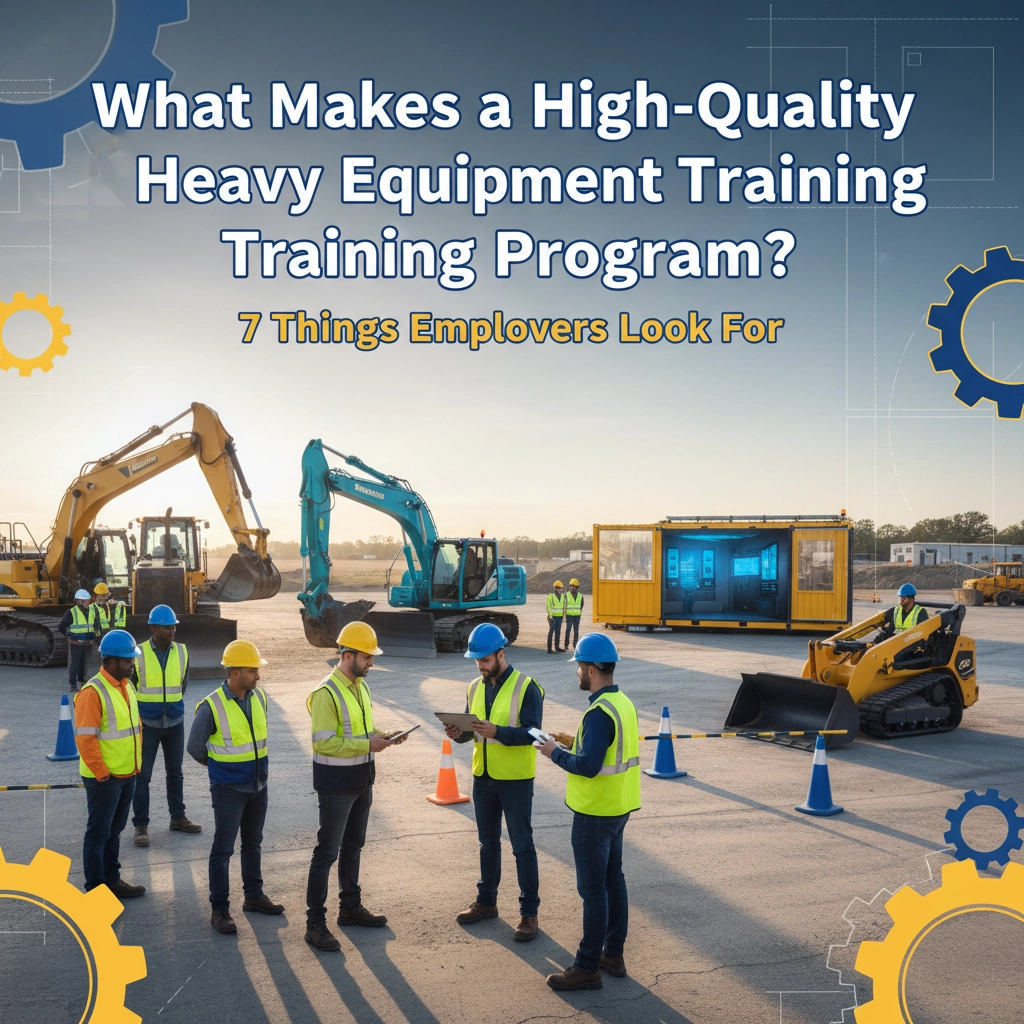
What Makes a High-Quality Heavy Equipment Training Program? 7 Things Employers Look For
What makes a high-quality heavy equipment training program? Seven things Manitoba employers look for, from safety and records to hands-on evaluation.
Last updated on October 1, 2026
What's new in this update:
- Added current Manitoba regulatory references, including The Workplace Safety and Health Act, Manitoba Regulation 217/2006, and Part 22 for powered mobile equipment
- Added the 2025 CSA B335:25 update replacing CSA B335-15, including recognition of online and virtual reality simulation and trainer retraining expectations
- Added Manitoba's M.R. 26/2026 timeline and planning implications for larger construction and renovation projects
- Updated the hands-on training section to focus on documented, observed practical evaluation rather than an unsourced hours-to-hiring claim
- Added March 2026 enforcement context and September 2026 mining and critical minerals demand context
When First Nations communities invest in heavy equipment training for their members, they need programs that deliver real employment results. Employers across Manitoba have specific expectations when hiring heavy equipment operators, and understanding these requirements is crucial for training programs that want to place graduates successfully.
Whether you're an employment coordinator for a Band, a training director, or someone considering heavy equipment operation as a career path, knowing what employers prioritize will help you choose the right program and achieve the best outcomes.
1. Proper Regulatory Compliance and Documentation
Employers look for training programs that follow all applicable regulations and maintain meticulous documentation. This isn't just about paperwork: it's about legal protection and professional standards.
A quality heavy equipment training program must align with The Workplace Safety and Health Act and Manitoba Regulation 217/2006, including Part 22 for powered mobile equipment where applicable, as well as the applicable CSA standards for the equipment being taught. Employers want to see that operators have completed training that meets or exceeds regulatory minimums, because this protects both the worker and the company from potential liability.
For lift truck training, the current standard is CSA B335:25, released in May 2025, which replaced CSA B335-15. This edition recognizes online learning and virtual reality simulation for instruction and evaluation, while also expecting trainers to retrain every three years. Employers and funders should confirm that a provider's curriculum reflects this edition rather than older material.
For First Nations communities, this regulatory compliance becomes even more important when accessing funding through programs like JSDC or other employment assistance initiatives. Proper documentation helps ensure that training investments meet funder requirements and that graduates receive credentials employers recognize and trust.
There is also an important Manitoba timeline to keep in view. M.R. 26/2026 was registered on March 20, 2026 and comes into force on April 1, 2027. It removes the construction site safety exemption for commercial, industrial or institutional construction and renovation sites with more than 25 workers on site at any one time or buildings over 600 m2 or more than three storeys, and it adds prime contractor duties under section 4.7. Programs preparing members for larger projects should build this into planning now so graduates are ready for the requirements they will see on bigger sites.

2. Strong Safety Foundation and Due Diligence Training
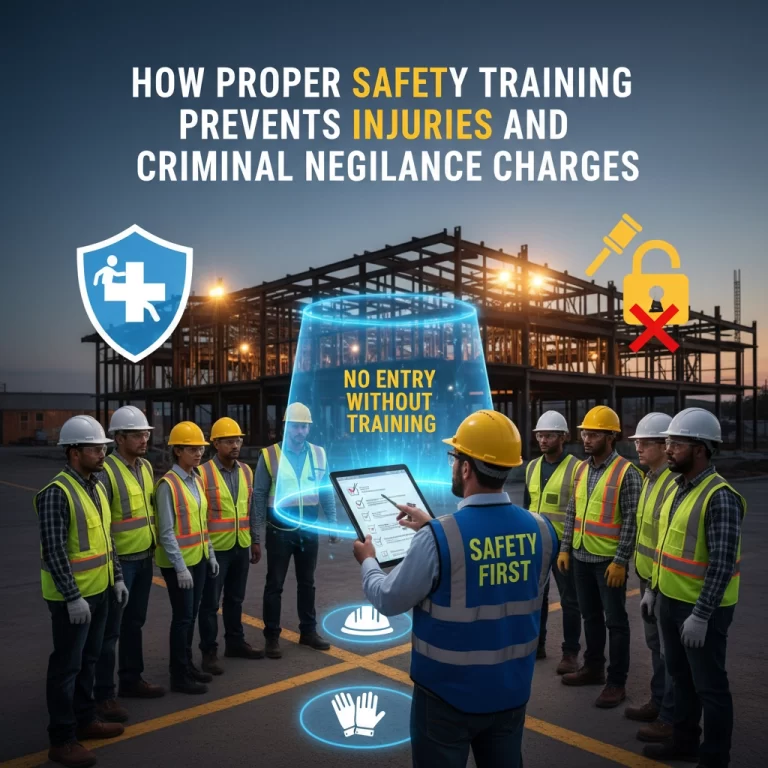
Safety training forms the backbone of any reputable heavy equipment program. Employers consistently rank safety knowledge as their top priority when evaluating potential operators, and for good reason: workplace accidents involving heavy equipment can result in serious injuries, fatalities, and criminal negligence charges.
A high-quality program doesn't just teach safety rules; it instills a safety mindset. This includes comprehensive pre-operation inspections, hazard recognition, equipment limitations, and emergency procedures. Students should learn not only what to do, but why safety procedures exist and how to apply them in varying job site conditions.
Recent enforcement in Manitoba shows why this matters. On March 27, 2026, Manitoba Natural Resources and Indigenous Futures was convicted after a 2022 fatal ATV rollover, with three contraventions of the Workplace Safety and Health Regulation and a $100,000 fine. Examples like this remind communities and training partners that safety training must be practical, documented, and taken seriously from the start.
Employers specifically look for graduates who understand the concept of due diligence: the legal requirement to take reasonable precautions to prevent accidents. Training programs that emphasize this concept produce operators who think proactively about safety rather than simply following a checklist.
3. Experienced, Qualified Instructors with Real-World Knowledge
The quality of instruction makes the difference between adequate training and exceptional preparation for employment. Employers value programs taught by instructors who have extensive field experience operating the equipment they're teaching.
Classroom theory has its place, but employers want operators trained by people who've faced real job site challenges. Instructors with strong hands-on backgrounds can share practical insights that textbooks cannot provide: like how different soil conditions affect machine operation, how to work efficiently in confined spaces, or how to coordinate with other equipment operators on busy sites.
At Onsite Training Services, our team brings over 12 years of combined field experience to every training session. This real-world expertise helps students understand not just how to operate equipment, but how to operate it professionally and efficiently in actual work environments.
4. Comprehensive Hands-On Training Time
While online modules and classroom instruction provide important foundational knowledge, employers prioritize programs that offer substantial hands-on training time. Just as important, they want documented, observed practical evaluation, whichever way the provider structures hours.
Quality hands-on training should include multiple scenarios and conditions. Students need experience operating equipment on different terrains, in various weather conditions, and with different material types. They should practice the specific tasks they'll encounter on job sites, not just basic machine operation.
The hands-on component should also include realistic workplace simulations where students work alongside other equipment operators, practice communication protocols, and learn to coordinate their work with broader job site activities.

5. Multi-Equipment Training Options
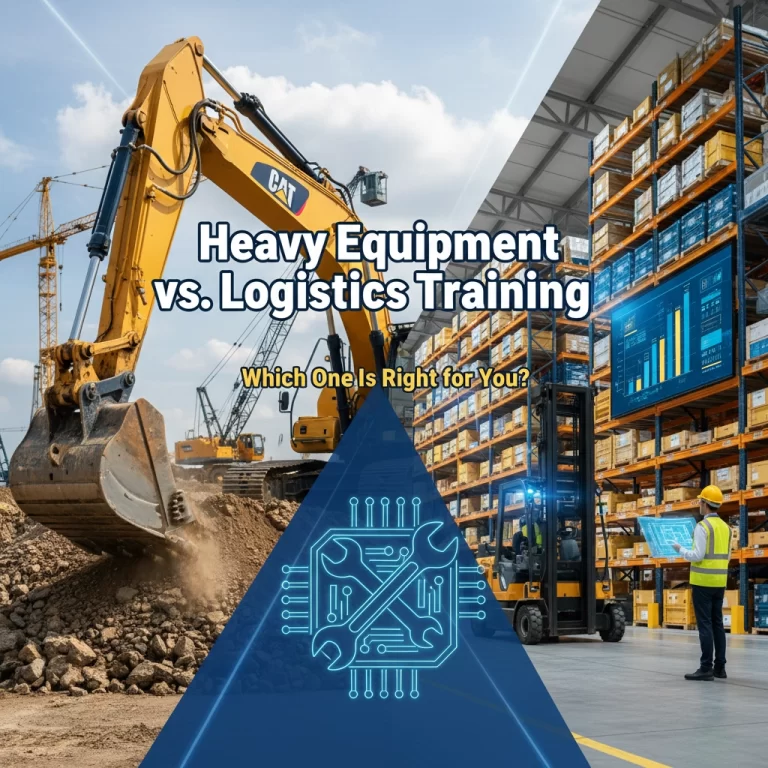
Employers consistently show preference for operators who can work with multiple types of equipment. Versatile operators who can transition between skid steers, forklifts, telehandlers, and other machinery are often more useful to employers because they can support a wider range of tasks.
A comprehensive training program should expose students to various equipment types and help them understand the similarities and differences between machines. This versatility makes graduates more employable and provides more career advancement opportunities.
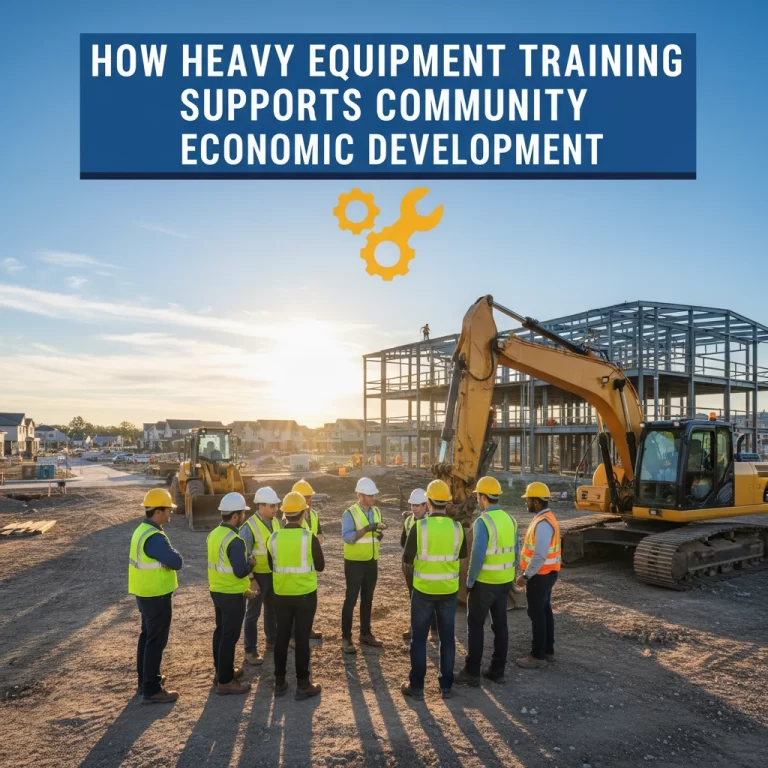
For First Nations communities, multi-equipment training is particularly valuable because it increases the likelihood that graduates will find local employment opportunities, whether with Band-owned companies, local contractors, or regional employers. It is also timely. September 2026 Winnipeg Free Press reporting highlighted Manitoba's push to grow mineral production while First Nations training capacity still lags in key areas. That raises the value of well-structured multi-equipment programs right now, especially for communities preparing members for mining, infrastructure, and other large project work.
6. Clear Assessment and Certification Processes
Employers want assurance that graduates have been thoroughly evaluated and certified to operate equipment safely and competently. Quality training programs include multiple assessment points throughout the training process, not just a final test.
Effective assessment includes both written examinations to verify knowledge of safety procedures, regulations, and equipment specifications, and practical evaluations where students demonstrate their ability to operate equipment safely under various conditions.
The certification process should be transparent, with clear criteria for passing, and should result in documentation that employers recognize and trust. Programs that prepare students for industry-recognized certifications provide additional value and credibility.

7. Professional Development and Work-Readiness Skills
Beyond technical equipment operation skills, employers look for graduates who understand workplace expectations and professional standards. This includes reliability, communication skills, teamwork abilities, and professional attitude.
Quality training programs incorporate discussions about workplace expectations, proper communication with supervisors and coworkers, time management, and problem-solving approaches. Students should understand the importance of punctuality, following instructions, and maintaining professional relationships on job sites.
For First Nations students, programs should also address any potential cultural considerations and help students navigate workplace environments confidently while maintaining their cultural identity.
Why Employers Trust Workforce Ready Graduates
Employers consistently choose graduates from well-structured, comprehensive training programs because these operators arrive on job sites prepared to contribute immediately. They require less supervision, make fewer costly mistakes, and integrate more successfully into existing teams.
Programs that incorporate all seven elements listed above demonstrate their commitment to producing job-ready operators rather than simply completing training requirements. This commitment to quality results in better employment outcomes for graduates and stronger relationships with employer partners.
For First Nations communities considering training investments, partnering with programs that meet these employer expectations maximizes the return on training dollars and helps community members access better employment opportunities with higher starting wages.
When evaluating heavy equipment training options, look for programs that can demonstrate their commitment to regulatory compliance, safety excellence, experienced instruction, comprehensive hands-on training, multi-equipment exposure, thorough assessment, and professional development. These elements combine to create the high-quality training experience that employers seek and that leads to successful long-term employment outcomes.
The investment in quality training pays dividends through better job placement rates, higher starting wages, and more opportunities for career advancement. For First Nations communities working to improve employment outcomes for their members, choosing training programs that meet employer expectations is essential for achieving those goals.
More guides
Need your operators certified?
We bring the training to your site, on your own equipment. Tell us the machines and how many operators and we reply the same business day.