Skid Steer Training: Complete Guide to Certification in Manitoba
A guide to skid steer training and certification in Manitoba: Part 22 rules, what training covers, winter safety and the benefits of on-site training.
Last updated on October 1, 2026
What's new in this update: Added a Manitoba regulatory update on M.R. 26/2026 and the April 1, 2027 preparation deadline, included a recent enforcement example tied to operator instruction and safe work procedures, added a seasonal section for fall and winter skid steer work in Manitoba, and strengthened internal linking to existing service pages while removing broken links.
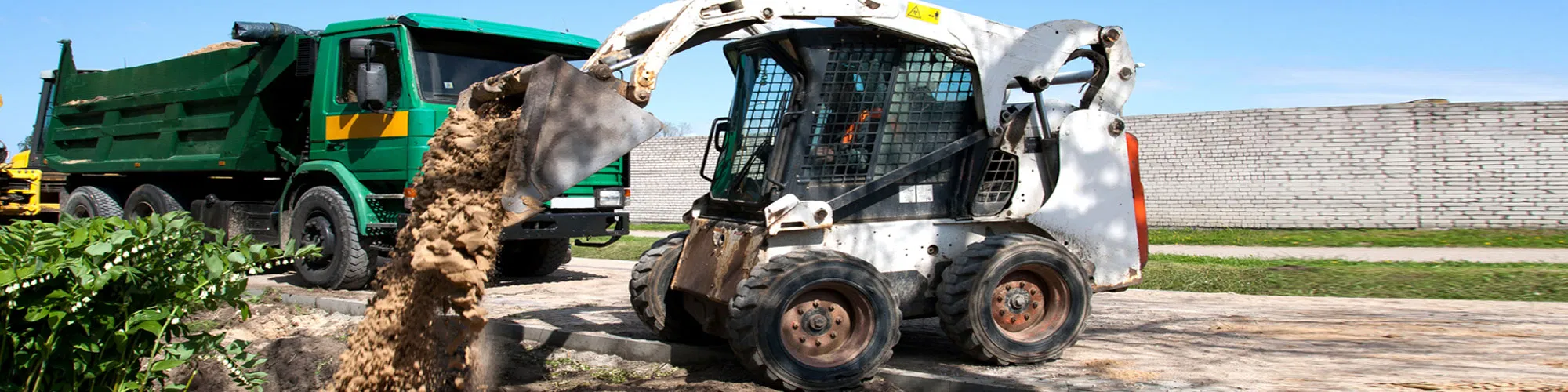
Skid steer loaders are the workhorses of the Manitoba job site. Whether you are clearing snow in Winnipeg, moving gravel in Brandon, or handling materials in a Thompson warehouse, the skid steer is likely your go-to machine. However, because these machines are so versatile and powerful, they also come with significant safety risks.
In Manitoba, operating a skid steer is not just about knowing which lever to pull. It is about understanding the physics of the machine, the legal requirements of the province, and the safety protocols that keep everyone on the site going home at the end of the shift. Providing professional skid steer training is the most effective way for employers to ensure their team is competent, compliant, and safe.
Why is Skid Steer Training Required in Manitoba?
Under the Manitoba Workplace Safety and Health Act, employers have a legal duty to provide workers with the information, instruction, and training necessary to perform their jobs safely. Specifically, skid steers fall under Part 22 of the Manitoba Safety Regulations, which governs "Powered Mobile Equipment."
This regulation means that any worker operating a skid steer must be deemed "competent." Competency is not just a guess; it must be documented. If a Workplace Safety and Health (WSH) officer visits your site, they will ask for training records. If an incident occurs and you cannot prove your operators had formal skid steer training, your business faces massive liability, fines, and potential shutdowns.
There is also an important deadline ahead. Manitoba Regulation M.R. 26/2026 was registered on March 20, 2026 and comes into force on April 1, 2027. It removes the construction site safety exemption for commercial, industrial, or institutional construction and renovation sites with more than 25 workers on site at any one time, or for buildings over 600 m2 or more than three storeys. It also extends duties under section 4.7 to prime contractors. For skid steer crews working on larger sites, that means documented competency, site supervision, and inspection records will face closer review. Employers should treat April 1, 2027 as a preparation deadline, not a date to start scrambling.
Beyond the legal aspect, proper training protects your bottom line. An untrained operator is more likely to damage the machine, ruin materials, or cause site downtime. By investing in a professional operator training program and formal skid steer training, you are protecting your equipment and your revenue.
What Does a Skid Steer Training Program Include?
A comprehensive training program should never be a simple "watch this video and sign here" process. At Onsite Training Services, our program is designed to meet and exceed OHS requirements and CSA standards. We focus on two main pillars: theory and practical application.
Classroom Theory and Powered Mobile Equipment Safety
The first half of the training focuses on the "why" and "how" behind the machine. Operators need to understand the science of the equipment before they turn the key. This includes:
- Stability and the Center of Gravity: Understanding why skid steers tip and how to prevent rollovers.
- Manufacturer Limitations: Learning about load capacities and the specific limits of the machine being used.
- Hazard Identification: Spotting site-specific risks like power lines, pedestrians, and uneven ground.
- Powered mobile equipment safety: General safety rules that apply to all heavy machinery on a Manitoba worksite.

Practical Hands-On Evaluation
Once the theory is mastered, we move to the machine. This is where heavy equipment operator training becomes real. Our instructors watch every move the operator makes, ensuring they can:
- Perform a proper pre-shift inspection (checking hydraulics, tires/tracks, and safety belts).
- Demonstrate smooth starts, stops, and turns.
- Operate attachments (buckets, forks, etc.) safely and effectively.
- Travel with loads at the correct height to maintain stability.
Seasonal Safety for Fall and Winter Skid Steer Work in Manitoba
As conditions change, skid steer hazards change with them. Fall and winter work in Manitoba calls for closer planning and better inspections before the machine starts moving.
Key points to review with operators include:
- Ice and frozen ground assessments: Frozen surfaces can look solid but still hide soft spots, edges, and unstable fill.
- Reduced daylight and visibility: Shorter days, blowing snow, and low light increase the risk of striking people, objects, or structures.
- Snow clearing near pedestrians and traffic: Operators need clear travel paths, spotter support when needed, and strong separation from foot traffic and vehicles.
- Cold-weather hydraulic and tire checks: Temperature swings can affect hydraulic response, tire pressure, traction, and attachment performance.
- Pre-shift inspections: These matter even more in changing weather because leaks, worn tires, blocked lights, and damaged safety features become harder to manage in winter conditions.
A simple rule is worth repeating: no load plan or travel plan should ever be based on assumed ground conditions. Operators need to confirm the surface, the slope, and the route before they move.
The Benefits of Onsite Skid Steer Training for Employers
Many businesses struggle with the logistics of training. Sending five operators to a third-party facility for a day means five people are off the clock, and you might have to pay for travel and overtime. This is why our onsite model is so popular across Manitoba.
Maximum Convenience
We come directly to your workplace. Your operators train on the exact machines they will use every day, in the environment where they actually work. This eliminates travel time and ensures the training is 100% relevant to your specific site hazards.
Reduced Downtime
Because we are on your site, we can work around your schedule. We help businesses get their operators back to work quickly without sacrificing the quality of the instruction. Our goal is to minimize the "dead time" where machines are sitting idle.
Site-Specific Safety
Every job site is different. A warehouse in Winnipeg has different risks than a remote construction site in Northern Manitoba. By conducting the skid steer training on your site, our instructors can point out specific hazards your team faces daily, making the safety lessons much more impactful.

Reducing Risk and Protecting Revenue with Proper Certification
At its core, professional training is a risk management tool. Workplace accidents are expensive: not just in terms of insurance premiums and legal fees, but in terms of morale and reputation.
A recent Manitoba enforcement case makes that point clear. On March 27, 2026, Manitoba Natural Resources and Indigenous Futures was convicted after a 2022 fatal ATV rollover. The case involved three Workplace Safety and Health Regulation contraventions and a $100,000 fine. For employers, the lesson is simple: missing operator instruction and weak safe work procedures are some of the most expensive gaps you can leave open.
When you enroll your team in our skid steer training course, you are doing more than checking a box for compliance. You are building a culture of safety. A trained operator is a confident operator. They work faster, they make fewer mistakes, and they take better care of the equipment. If you manage more than one machine type, our operator training program can help you document competency across your equipment fleet.
By reducing incidents and equipment damage, you directly protect your company's revenue. A single avoided accident can pay for an entire year of training for your whole crew.
How to Book Your Skid Steer Training in Manitoba
Getting your team certified should not be a headache. Whether you have a single new hire or a fleet of twenty veteran operators who need a refresher, we provide the documentation and testing required to keep you compliant.
Our process is simple:
- Contact Us: Let us know how many operators you have and where your site is located.
- Schedule: We pick a time that works best for your production schedule.
- Train: Our professional instructor arrives on-site to conduct the theory and practical portions.
- Certify: Upon successful completion, we provide the records and wallet cards needed for your safety files.
Don't wait for an accident or a surprise inspection to realize your team isn't properly trained. Professional heavy equipment certification in Manitoba is an investment in your people and your future.
If you are ready to get started, Book your Skid Steer Training in Manitoba to schedule on-site instruction that fits your team and your worksite. You can also review our broader operator training program options if your team uses multiple types of powered mobile equipment.

Contact Onsite Equipment Training to book your certification program.
More guides
Need your operators certified?
We bring the training to your site, on your own equipment. Tell us the machines and how many operators and we reply the same business day.